Tropical Leaf: An Embroidery Designer's Review for Small Business Merchandise
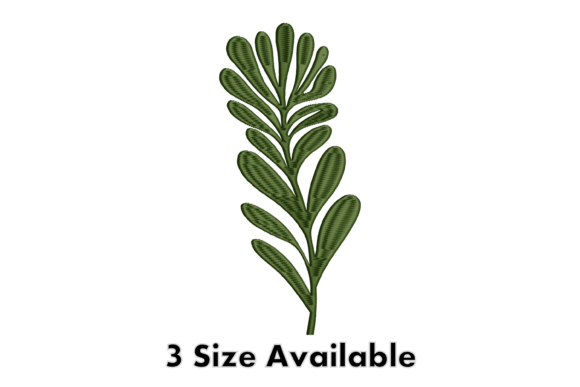
When a small business owner approaches me for an embroidery design to represent their brand—for a uniform, a tote bag, or a custom patch—the first question I ask isn't about stitch count. It’s about identity. Does this design feel like them? The Tropical Leaf embroidery design, as described, promises an elegant touch of the jungle. My immediate impression is that this design leans toward a blend of professional elegance and friendly, natural warmth. It’s not overly rustic or cartoonish; the word "elegant" suggests clean lines suitable for a premium presentation. This is crucial for businesses like boutique cafés, creative studios, florists, or eco-conscious brands wanting to convey quality and a connection to nature without appearing handmade in a casual sense.
Visual Personality and Brand Alignment
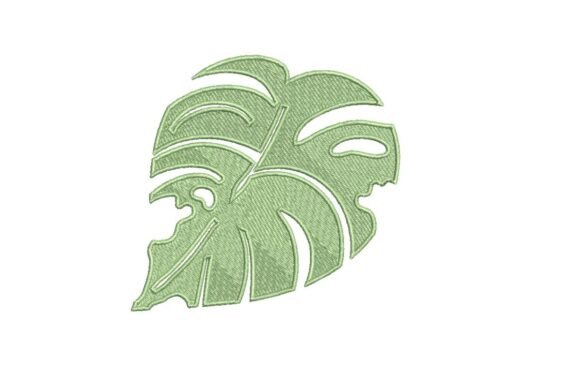
The category Single Flowers Plants tells me this is likely a focused, singular botanical element. For a business, this is powerful. A single, elegant tropical leaf can serve as a minimalist logo or a sophisticated accent. It can evoke freshness, growth, calm, or a specific locale. Imagine a local bakery specializing in tropical flavors using this leaf on staff aprons. Or a pet brand with a jungle-themed name embroidering it onto customer gift totes. The design’s personality isn’t loud and playful; it’s decorative yet refined. This means it can enhance brand identity by adding visual consistency across different items while boosting perceived product value. A well-embroidered leaf on a plain tote bag instantly makes that bag look like curated boutique merchandise, not just a blank canvas.
Performance in Real Business Applications
Let’s translate that first impression into real, stitched applications. As an embroidery file intended for business use, we must evaluate its performance across common small business merchandise scenarios.
Embroidered Patches and Product Labels
For a café or handmade shop wanting branded patches for denim jackets, bags, or as product add-ons, Tropical Leaf holds strong potential. A clean botanical design often works excellently as a patch because it’s recognizable even at moderate sizes. The key here will be testing the design at the intended patch size. If the design has intricate, detailed outlines, they might blend into a muddle when stitched too small. Always test the embroidery file in a small hoop size first to see if the leaf’s elegance survives the reduction. A successful patch can be used on staff uniforms, event merch, or even as a customer loyalty gift, directly enhancing customer recognition and trust through a tangible, quality emblem.
Apparel and Uniform Embroidery
This is where the design’s "elegant" nature truly shines. For chest logos on staff polo shirts, sleeve details on work shirts, or a subtle accent on a cap front, a tropical leaf can convey professionalism tied to a theme. For a florist’s team, it’s a perfect uniform mark. However, practical designer notes are vital. On curved surfaces like caps, check the design’s height and width compatibility. On dark uniforms, you must review thread color contrast—a leaf with many mid-tone greens might need adjustment for visibility. Always test on real fabric samples, using proper stabilizer for the garment type (like a tear-away for firm shirts, cut-away for stretchy fabrics). Frequent washing is a concern for uniforms; a design with very high stitch density might be less durable over time. Aim for a balanced density that looks clean but withstands laundry cycles.
Tote Bags, Aprons, and Premium Merchandise
The description notes it’s perfect for tote bags and pillows—this aligns perfectly with small business merch. An embroidered tote bag is a staple for retail shops, studios, and Etsy sellers. Tropical Leaf as a tote bag design, centered or placed corner, can transform a simple bag into a branded asset sold or given to customers. For a bakery or café, embroidering this leaf on aprons creates a cohesive, upscale look for staff serving customers. The design’s botanical theme makes it ideal for businesses wanting a decorative touch without overt branding. It feels like an enhancement, not just a logo. This boosts buyer engagement because the merchandise itself is aesthetically pleasing.
Where to Use with Care
Even elegant designs have limitations in commercial embroidery. My professional advice is to identify the edges of its application to avoid costly production errors.
First, extremely small patch sizes. If you need a tiny leaf for a product label on a small jar or a mini pin, the design’s details might not survive. Always create a stitch-out sample at that minute size.
Second, items with highly textured fabric, like heavy knit sweaters or rough canvas, can distort finer lines. The elegance of the leaf depends on clean stitch placement; a textured base might compromise that.
Third, as mentioned, dark background fabrics require planning. If the embroidery file uses many light and mid-tone threads, the contrast on a black apron or cap might be poor. Consider a simplified, high-contrast color palette for dark items or add an outline.
Fourth, never assume a design works for all hoop sizes. The description doesn’t specify, so you must confirm the available sizes in the digital embroidery file before purchasing. A design that only works in a large hoop cannot be used for cap fronts or small patches.
Designer Process for Business Integration
Before you run this machine embroidery design on 50 staff shirts or a batch of tote bags for your Etsy shop, follow a disciplined integration process.
- Test in Black and White First: Stitch a single-color version. This reveals the pure structure of the design, highlighting any potential weaknesses in the outline or fill areas that color might mask.
- Create a Printable Mockup: Use software to place the design on images of caps, shirts, and bags. This mockup is essential for client approval (if you’re the embroiderer) or for your own planning (if you’re the business owner). It helps visualize brand identity cohesion.
- Compare Beside Other Design Assets: Place the stitched leaf sample next to your other branding—your logo, fonts, color palette. Does it complement them? Does it feel like part of the same family? This ensures visual consistency across all branded materials.
- Review Thread Colors: Map the suggested colors to your brand palette. Perhaps the greens need to shift slightly to match your exact brand colors for a uniform look.
- Inspect Spacing and Stitch Density: Look for areas where stitches are too close together, which can cause puckering, or too sparse, which might look unfinished on the finished product.
- Confirm Commercial Licensing: The product description doesn’t mention license terms. This is a critical step. Before any business use—on merchandise you sell, on uniforms, on commercial projects—you must verify that the digital embroidery file comes with a license that permits commercial embroidery. Never assume.
Final Thoughts on Value and Engagement
The Tropical Leaf embroidery design, from a business perspective, is more than a decorative element. When executed properly, it becomes a versatile design asset that can elevate a brand’s handmade presentation into a professional, premium one. It can work as a standalone brand mark for nature-themed businesses or a harmonious accent for others. Its value lies in its adaptability across apron embroidery, cap embroidery, tote bag design, and custom apparel. For the small business owner, pet brand, or florist, it offers a path to creating cohesive, high-value merchandise that customers recognize and trust. Remember, the final product speaks for your brand. A clean, well-stitched tropical leaf on a uniform or tote whispers quality, attention to detail, and a thoughtful brand identity—all from a single, elegant digital embroidery file.