Daisy Corner Embroidery Design: A Designer's Market-Ready Review
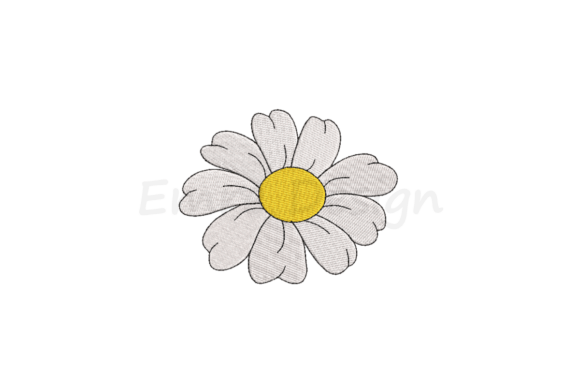
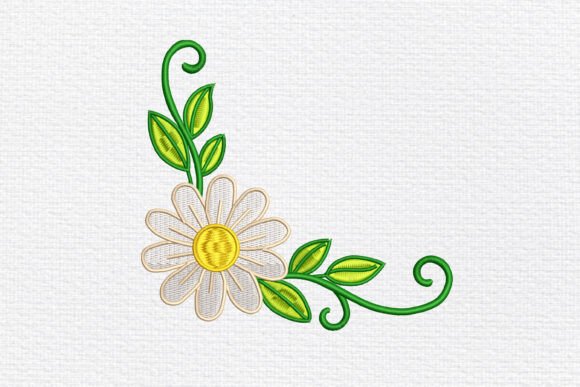
Every craft fair season, I methodically review new embroidery designs from a purely practical standpoint: will this design sell on a finished product at my booth? Sitting with a fresh cup of coffee, I open the Daisy Corner Embroidery Design. My first impression is immediate. This isn't a bold, graphic statement piece or a minimal modern line-art. The word "delightful" in the description hits the mark perfectly. It feels cute, soft, and inherently decorative. It carries a gentle, rustic charm that leans into the ever-popular farmhouse aesthetic without being overly thematic. This mood is a significant advantage for a craft fair product. It's approachable and instantly communicates a handmade, cheerful quality.
Where This Daisy Finds Its Home: Product Placement Strategy
Versatility is a designer's dream, but in practice, not every surface is ideal. For a weekend market, I visualize my table display: tote bags, aprons, tea towels, patches, caps, small pouches, and pillow covers. The Daisy Corner Embroidery Design, being a "corner" design, suggests a placement that is both intentional and accent-like. This is its strongest selling position.
On a tote bag design or a market bag, placing it in the lower corner creates a sophisticated, branded look—it doesn't overwhelm the bag's utility but adds a signature touch. For kitchen towel embroidery or an apron embroidery, this corner placement is classic and functional; it sits beautifully in a corner of the fabric, framing the item. As an embroidered patch, it would be a standalone hit, especially for customers looking to add a floral accent to a jacket or backpack. On pillow covers, a corner daisy offers a subtle decorative element that pairs well with other home decor.
However, I'd be cautious with caps. The curved surface of a cap can distort corner designs, and small details might lose clarity. A small fabric pouch or a giftable coaster, though, would be perfect—the design becomes a focal point on a smaller canvas.
The Practical Production Checklist
Turning a digital embroidery file into a batch of sellable products requires a hands-on evaluation. The description highlights "fun and charm," but my job is to assess the technical execution.
First, I always test the design on scrap fabric. This is non-negotiable. I need to see how the stitch density behaves. Dense stitch areas in floral designs can sometimes cause puckering, especially on lighter fabrics like t-shirts. I'd also check thread contrast carefully. A daisy typically uses whites and yellows, which must pop against the background fabric. Stitching it on a dark fabric might require a bright white outline or a slightly adjusted color palette to maintain clarity.
Review spacing and confirm hoop size are next. Since it's a corner design, I need to know the exact dimensions from the file to ensure it fits neatly in the corner of my chosen products without requiring excessive re-hooping. The design mentions versatility, so I assume it's adaptable, but I must inspect stitch density for areas like the flower center—tiny, dense details can be beautiful but may wear differently on textured towels or thicker fabrics like canvas totes. Using the right stabilizer for each fabric texture is key to a clean finish.
Creating a Real Mockup for Customer Engagement
Before committing to batch production for my small shop product line, I create at least one real mockup. For the Daisy Corner Embroidery Design, I'd likely stitch it onto a natural canvas tote bag and a linen tea towel. These are my booth samples. They allow me to physically see how the light catches the stitches and how the colors interact in person—something a digital mockup can't fully convey. I also compare fabric colors: does the daisy look best on cream, oat, or bright white? This hands-on test directly informs my product lineup and photography.
Selling Power: Visual Appeal and Booth Impact
How does this design affect customer attention and product value? A well-executed corner floral design elevates a simple item. It suggests care and customization. On my booth display, items featuring the Daisy Corner Embroidery Design would be grouped together to create a cohesive, attractive collection. This strengthens brand consistency. A customer glancing at my table would see a theme of gentle florals across different products, making the handmade quality immediately apparent.
For Etsy seller friends or those using printable mockups for online listings, this design photographs well. Its decorative, non-verbal nature is easy to understand at a glance in a listing thumbnail. It works beautifully as a small accent, meaning it can be produced at a reasonable speed for batch production, increasing my inventory efficiency for a fair. However, I must consider if it feels repeatable. Would I get tired of stitching it dozens of times? Its pleasant simplicity suggests it would be a pleasant, consistent stitch-out, which is important for productivity.
Careful-Use Notes for Commercial Success
The product category Single Flowers Plants and type Embroidery are straightforward. However, some specific cautions arise from my experience. Designs with small details, like potentially tiny petals or a small central dot, can lose definition when stitched very small or on highly textured fabrics like terrycloth towels. If the design includes any minute lettering (which from the title "Daisy Corner" it likely doesn't), that would be a red flag for production at smaller sizes.
For commercial embroidery, I always confirm commercial licensing before selling finished products. The description says "this versatile machine embroidery design incl..."—I would need to see the full description to ensure the license permits selling physical products at craft fairs and online. This is a fundamental step for any digital embroidery file intended for finished product sales.
Ultimately, the Daisy Corner Embroidery Design presents a strong case for market readiness. It fits a popular aesthetic, offers logical product placement, and, provided the technical stitch-out is clean, can translate into a range of attractive, sellable goods that capture the charm and quality customers seek at a handmade market. My final step is to stitch it, see it in the sun at my booth mock-up, and judge if that delightful first impression holds true in thread and fabric.