Real Project Review: Cross Stitch Rose Embroidery Pattern
As an embroidery designer who relies on digital files for both my personal projects and commercial work, I always approach a new pattern with a practical eye. Before I stitch anything for a client or my shop, I consider how the design will perform on real fabric, under real hoops, and in the hands of real customers. This review of the Cross Stitch Rose Embroidery Pattern from Creative Fabrica is based on that exact mindset—imagining it for a specific order before hitting the start button on my machine.
First Impressions: A Classic Rose with Modern Utility
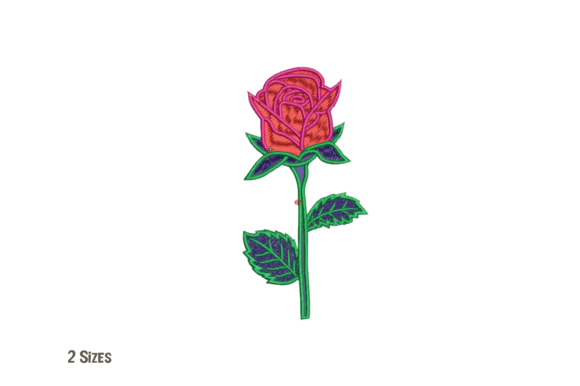
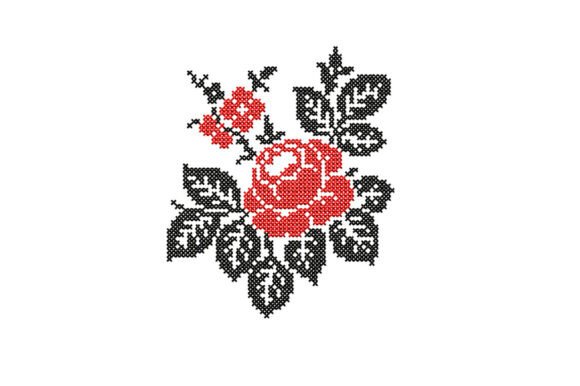
The immediate appeal of the Cross Stitch Rose Embroidery Pattern is its timeless, decorative quality. It carries a mood of delicate tradition, reminiscent of heirloom samplers, yet the clean lines suggest it will translate well to modern machine embroidery. The detail level appears balanced—not overly simplistic, but without overly dense areas that might cause puckering on lighter fabrics. This single flowers plants design feels versatile; its personality is elegant and standalone, making it a strong candidate for a focal point on a gift item or apparel.
From a designer’s perspective, I instantly pictured it on a variety of surfaces. A kitchen towel or apron for a rustic, handmade feel. A pillow cover for subtle home decor. A tote bag or sweatshirt to elevate everyday items. The description notes it’s offered in two sizes, which is a significant practical advantage. This directly addresses the need for different hoop sizes, allowing you to scale the rose for a small baby blanket corner or a larger statement on a cap or patch.
Performance in Real-World Embroidery Projects
Let’s walk through some real-case scenarios. For a custom order, like a personalized gift for a gardener, this rose pattern would be a perfect choice. However, its success depends on execution.
Apparel and Accessories
On a custom apparel item like a sweatshirt, the design’s success hinges on stitch density and fabric choice. For stretchy fabric, a robust stabilizer is non-negotiable. I’d test the pattern on a scrap of similar material first, especially checking any small, intricate areas. For dark fabric, I’d plan my thread colors carefully to ensure contrast—a bright, creamy white or a soft pink might pop beautifully. Applying it to a curved cap surface would require attention to the smaller size option and possibly adjusting stabilization for the curved brim.
Home Decor and Handmade Products
For handmade products destined for an Etsy listing or craft fair, such as a pillow cover or nursery decor item, this rose adds instant value. Its classic look enhances handmade presentation and buyer trust, signaling care and artistry. For products like kitchen towels that need frequent washing, I’d inspect the finished stitch closely for durability, ensuring the stitches are secure and the design isn’t too sparse to withstand wear.
Commercial and Small Business Use
For small business owners creating commercial embroidery products or embroidered patches, the two-size offering is key for production flexibility. A smaller, quicker stitch for patches, a larger one for bag designs. Using this digital embroidery file in a series of products—like a matching apron and towel set—can build strong brand consistency. For product photography and printable mockups, a well-embroidered rose provides a clear, attractive focal point that engages customers.
Practical Considerations Before You Stitch
Honesty in reviews means pointing out what you need to check yourself. The product description provides a good starting point, but for professional use, due diligence is essential.
- Always test on scrap fabric. This reveals how the pattern handles on your specific material—whether there’s pull on textured fabric or if dense stitch areas (if present) require adjustment.
- Compare light and dark fabric mockups mentally or digitally. Visualize how the rose will look on both backgrounds. This affects your product line planning.
- Review the exact file details on the Creative Fabrica product page. Before selling any finished items, you must confirm the included file formats for your machine, the precise sizes, and the licensing terms. This is crucial for digital product sellers and creative entrepreneurs.
- Plan for small details. Inspect the design preview for any tiny lettering or layered details that might require fine threads or slower stitching speeds to maintain clarity.
- Consider the giftability. A well-executed cross stitch rose on a baby blanket or tote bag turns a simple item into a cherished personalized gift, directly impacting customer satisfaction and repeat business.
Final Thoughts on Value and Application
The Cross Stitch Rose Embroidery Pattern strikes me as a reliable, aesthetically pleasing asset for a designer’s library. Its utility across tote bags, sweatshirts, baby items, caps, and home decor makes it a versatile choice. For Etsy sellers and boutique owners, it can help create a cohesive, high-quality product line. The two-size option thoughtfully addresses the common challenge of scaling a design for different projects.
My recommendation is to view this as a solid foundational design. It’s not overly trendy, which means it has lasting appeal for customers. Its value lies in its execution—with proper testing, stabilization, and thread selection, it can become a staple in your design assets for creating beautiful finished products. It feels suited for projects where elegance and a touch of handmade tradition are the goals. As always, your final step should be a visit to the product page to confirm all the technical specifics your project requires. Then, this rose is ready to bloom on your next creation.